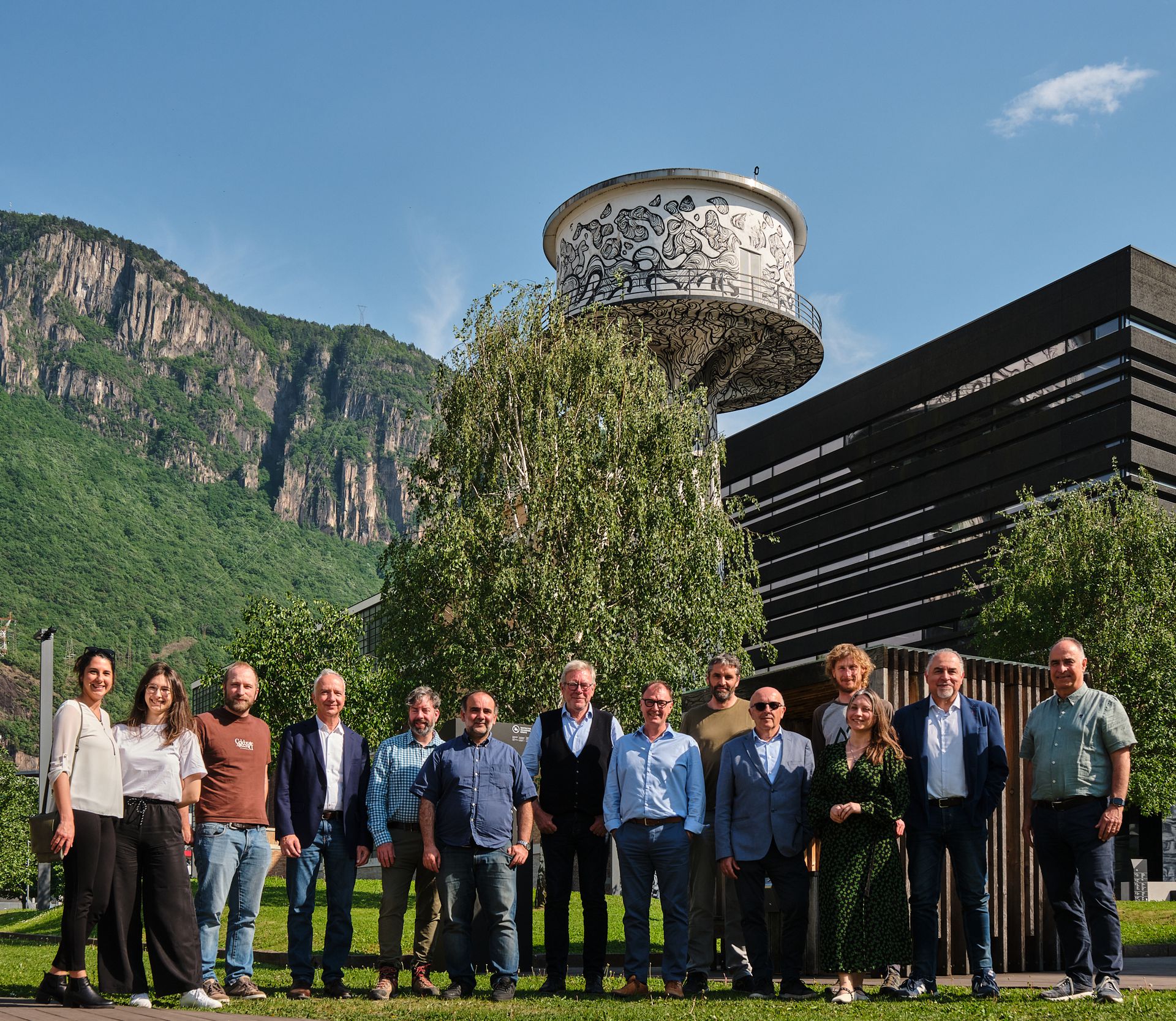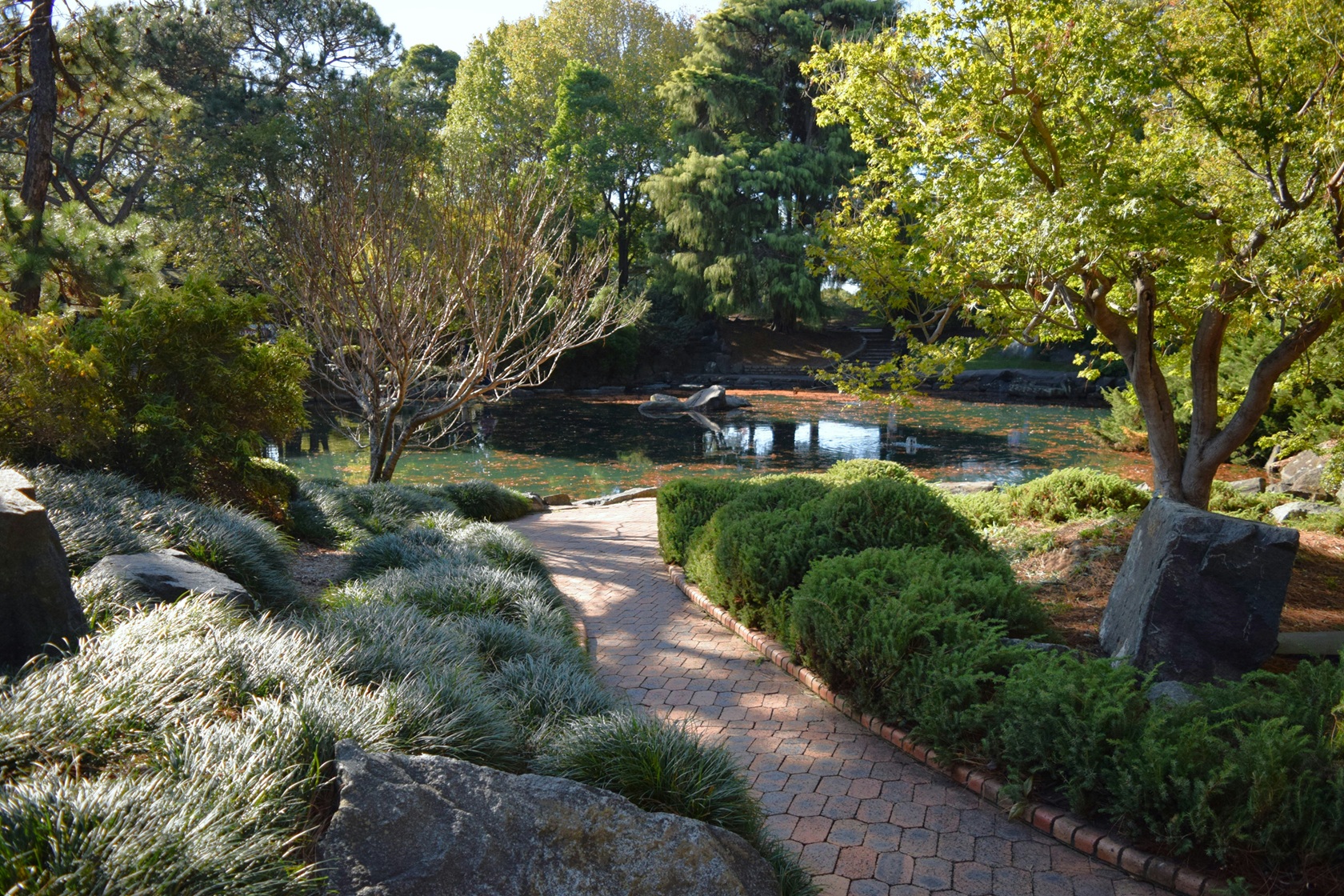
Shrubs are often overlooked in discussions about urban climate resilience. This new scientific publication, which concludes the Verdevale project, shows why that should change and how shrubs can be a powerful tool composing the ecosystem benefits provided by plants inside urban areas.
The study “Shrubs Matter” evaluates how nine shrub species contribute to: CO₂ removal, particulate matter capture (PM₂.₅ and PM₁₀), and urban cooling through latent heat dissipation
The research was carried out in the cities of Lugano (Switzerland) and Bolzano (Italy), combining field measurements, physiological analysis and urban environmental data. Among the findings:
• shrubs were able to dissipate up to 130 W/m² of latent heat, values comparable to tree species
• evergreen shrubs proved particularly effective in capturing particulate matter throughout the year
This research reinforces an important point: urban resilience is not built only with trees. Shrubs also play a measurable and strategic role in improving air quality, mitigating heat and supporting healthier cities. As a bonus, they could grow in places where trees could present risks, in the sideways of some highways as an example.
We are proud to have contributed to this work together with the University of Milan, the University of Florence and the project partners.